



Gokoku-ji


Audio Guide
Category
Highlights
- A Miraculous Survivor: You are standing before the magnificent Kannon-do (main hall), a true survivor. Built in 1697, this grand wooden structure is a rare architectural gem that miraculously withstood the great earthquakes and wartime air raids that leveled much of Tokyo.
- A Shogun’s Devotion: This temple was founded in 1681 by the fifth Tokugawa Shogun, Tsunayoshi, at the earnest wish of his mother. It was established as a grand sanctuary to pray for the protection of the nation, and its connection to the shogunate family is palpable.
- A Hub for the Tea Ceremony: The temple’s tranquil grounds are home to numerous traditional teahouses, making it a beloved and important center for the practice of sado, the Japanese Way of Tea.
- The Graveyard of the Greats: The vast, quiet cemetery behind the main hall is the final resting place for many of Japan’s most famous historical figures, including several prime ministers and the founders of modern industry.
Description
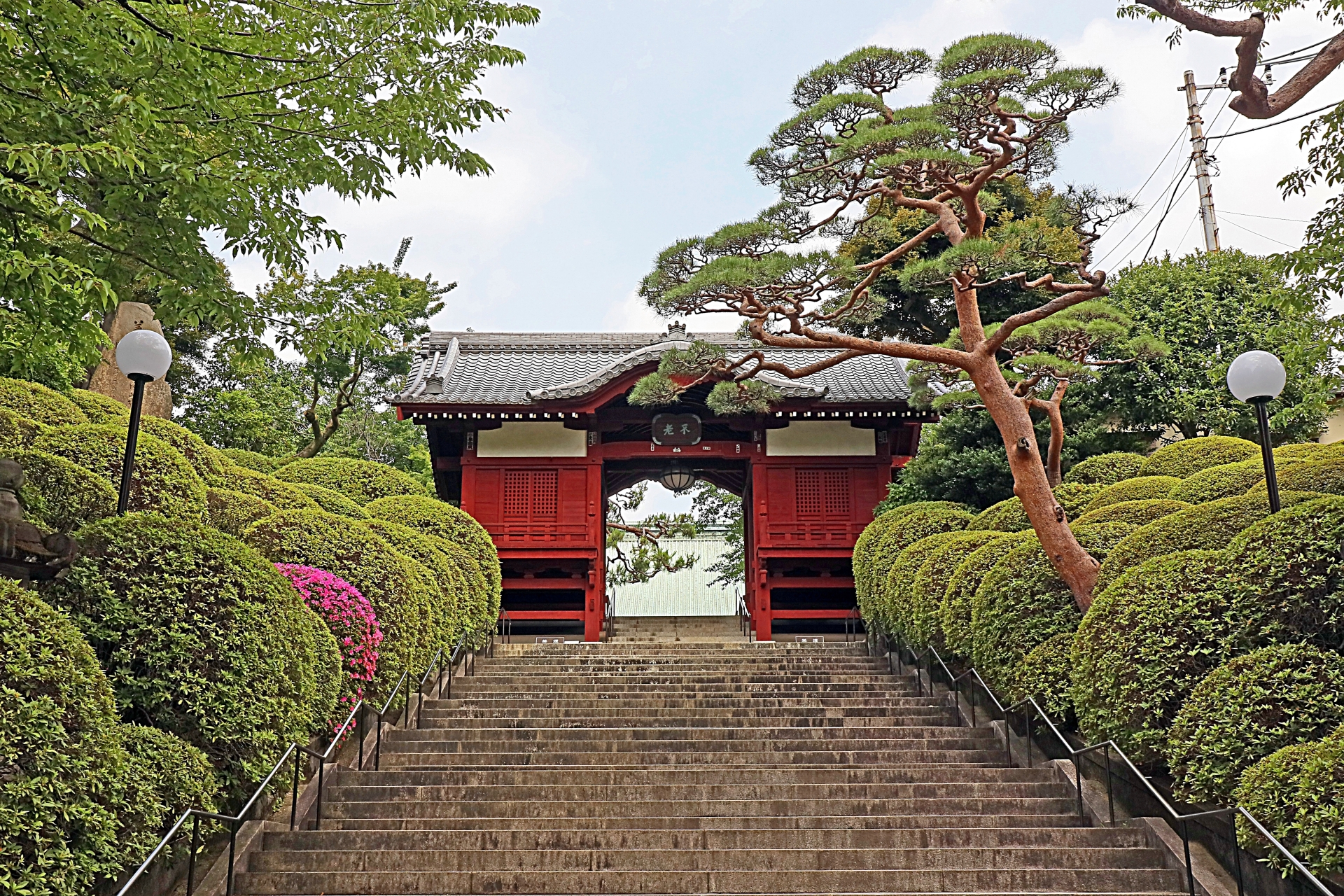
A very warm welcome to Gokoku-ji Temple, a place of profound peace and a miraculous survivor of history. As you pass through the gates, you are entering one of the few places in Tokyo where you can still touch the authentic, unbroken spirit of the Edo period.
This grand temple was established by the Shogun Tsunayoshi as a powerful act of devotion to his mother and a prayer for the safety of the nation. Its magnificent main hall, the Kannon-do, has stood watching over the city since 1697, a silent witness to centuries of change.
Unlike so many of Tokyo’s treasures, it was spared from destruction, and today it remains a serene haven of Shingon Buddhism and a living center for the cultural arts, especially the tea ceremony. We invite you to wander these peaceful grounds, admire the weathered, timeless beauty of the architecture, and feel the deep, quiet history that lives in every stone.
Plan Your Visit
Opens in Google Maps.